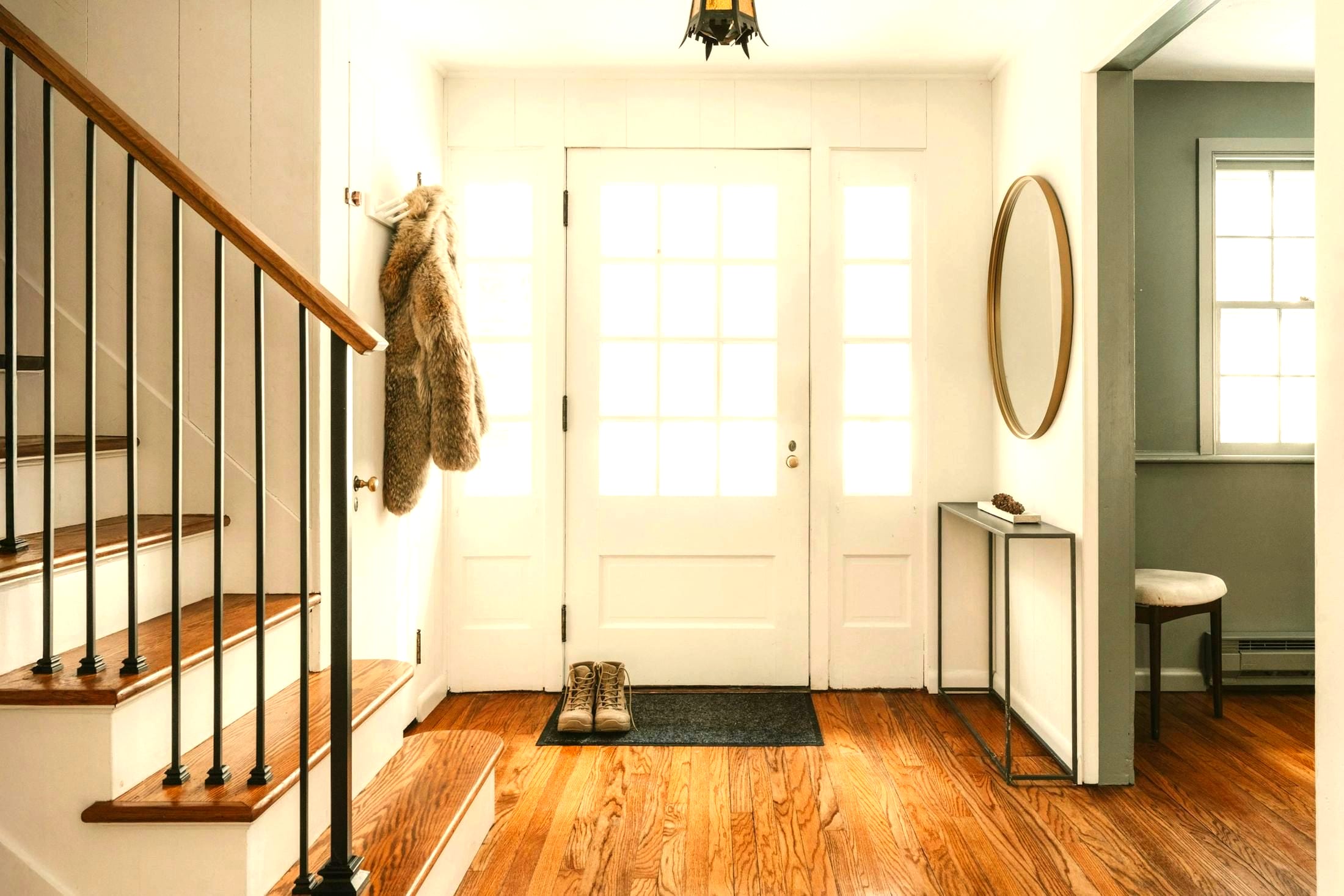
Two chairs, one orthodontist, and a first appointment that costs nothing and commits you to nothing. Most of what follows is what eighteen months actually involves — the rooms, the visits, the parts that ache and the parts that do not. The fees are further down, published in full, because you should not have to ring up and ask.

The building
Nothing to climb, no lift to wait for, and no garage two streets away to find first. If you are collecting a child from school and coming straight here, you can be in and out without moving the car twice. The address is at the foot of the page.
What waiting is like
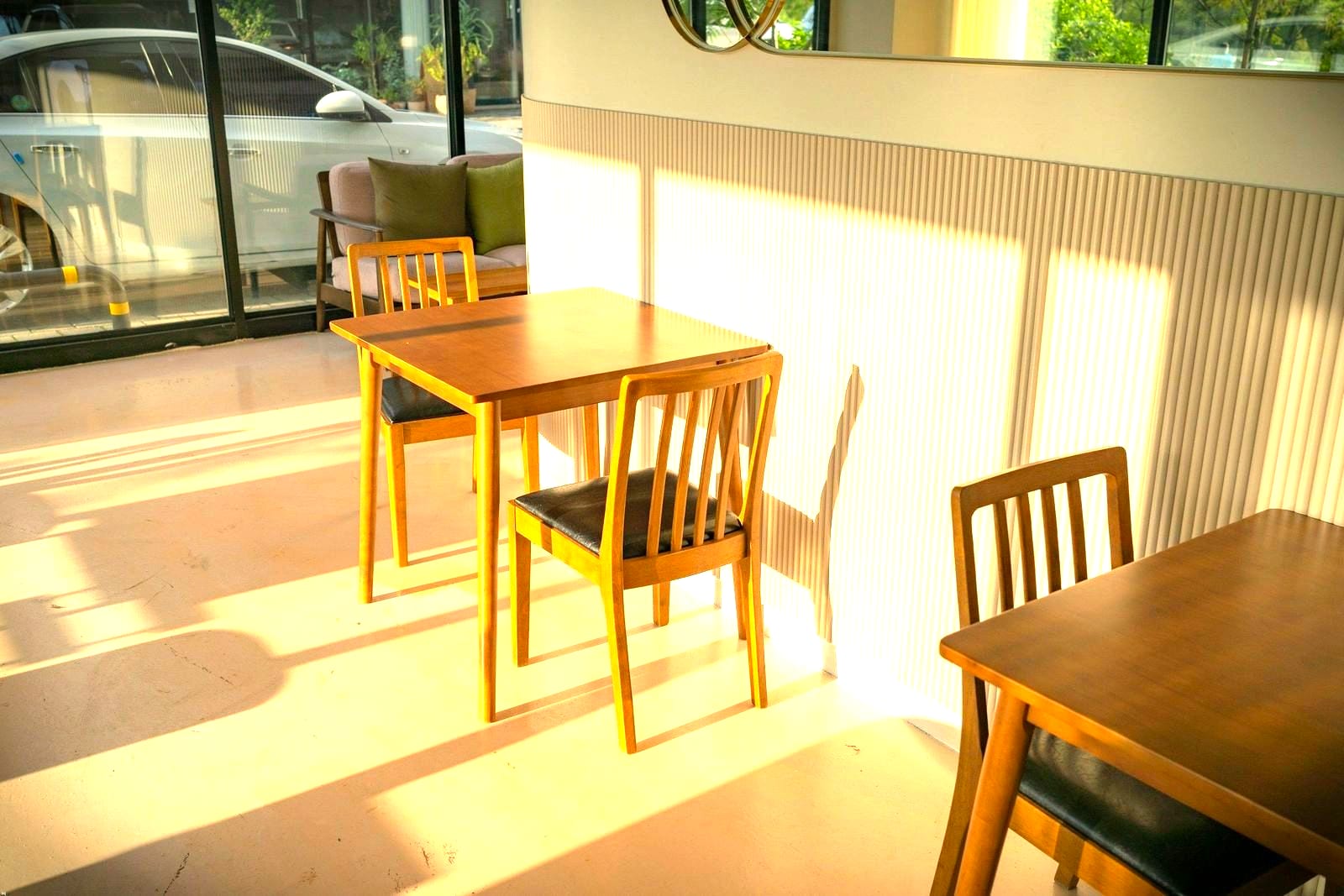
That is the whole reason appointments run close to the time they were given. A practice running six chairs is running a queue, and the queue is where your afternoon goes.
If we are behind by more than about ten minutes, the front desk tells you when you walk in rather than after you have sat down and taken your coat off.
The first appointment
You get the scan, the plan and the number, on paper, and you leave. Nobody asks you to sign anything in the chair. If a practice wants a decision on the day, ask yourself why the price needed a room to be said out loud in.

For the person actually having it done
Your parents have read the part about money. This is the answer to what you actually asked, which is whether it hurts and whether everyone is going to look at you.
No. Nothing is drilled, nothing is injected and no needle comes anywhere near you. It takes about an hour and a half, and the worst part is having to hold your mouth open that long. Your teeth ache for two or three days afterwards, and again for a day or so after each tightening. Ibuprofen and soft food, and it passes.
For about a week, yes. Then they stop, because people are mostly thinking about themselves. If that week is genuinely the problem, say so at the first appointment rather than afterwards — ceramic brackets are far less obvious and aligners are close to invisible, and both are on the table.
With braces: nothing hard and nothing sticky. No ice, no boiled sweets, no chewing gum, and apples and carrots get cut up rather than bitten into. It is annoying and it is temporary. With aligners you take them out to eat, so nothing is off the list at all.
You ring us and come in, and we put it back. It is included in the fee, including when it came off because you ate something you had been asked not to eat. Nobody is going to tell you off about it.
Yes, and you can change them at every adjustment, which is every six to eight weeks. Some people change them for their birthday, or for a team. It is the one part of this you get to decide entirely on your own.
Say stop
You do not have to explain why. If something hurts, or you need a minute, or you just want to know what a noise was, say so and we stop until you are ready.
That is not a favour we are doing you. Nobody in this practice will do anything to your mouth without telling you what it is first, and you can ask for it to be explained again as many times as you want.

If you are a parent
Those are the two questions, and they are the two that get deflected. Bring your child for a screening at about age seven — not because treatment starts then, but because that is when it becomes possible to say whether it will be needed at all, and a straight no costs nothing.
Around four children in five who are screened at seven need no early treatment whatsoever. If we recommend it for yours, ask what specifically we saw, and ask what happens if you wait. Both answers exist.
If you are an adult
Roughly one in four orthodontic patients in the United States is an adult, which is a duller fact than it sounds and the reason this is less conspicuous than you are picturing. Clear aligners are close to invisible at conversational distance. Ceramic brackets are not invisible, and anyone claiming otherwise has not worn them.
Expect treatment to run longer than it would at fifteen. Adult bone remodels more slowly, so a case that takes a teenager fourteen months can take you twenty. That is biology and no practice can price around it.
What the eighteen months are
Almost nobody explains this, so people arrive imagining one long appointment. It is five stages, most of them short, and this is what each one involves and how often you have to turn up for it.
Free, and described further up this page. The only thing worth adding here is that it is the one stage involving no treatment at all — everything below this line does.
Teeth are cleaned and dried, brackets are bonded on one at a time, and the wire goes in last. Nothing is drilled and nothing is numbed. Soft food for a few days afterwards.
The wire is changed or tightened, which is the part that actually moves the teeth. Sore for a day or two, then nothing. This is the long middle of it and it is most of the eighteen months — roughly ten to twelve visits, each one short.
Brackets are lifted off and the adhesive is polished away. It does not hurt. Then a scan for retainers, which are fitted a week or two later.
Full-time for the first few months, then nights only — but it does not stop. Teeth drift back for as long as you have them, so retention is a habit rather than a final appointment. The first set is included for twelve months.
The three options
All three move teeth and all three work. They differ in how obvious they are, what they cost, and how much of the job is yours to remember.
Best if the case is complicated, or the patient is twelve and would rather not be responsible for anything that can be taken out and lost. The most visible of the three and the least expensive. Also the sturdiest — least likely to break, most forgiving of a hard bite and a rough tackle.
Best if you want the work done properly but would rather it were not the first thing anyone sees. Tooth-coloured, so at a few feet they read as a shadow rather than as hardware. More brittle than metal, though — breakages are more common, and a case that keeps having them runs longer than it needed to.
Best if you are an adult, or a teenager who will genuinely wear them 20 to 22 hours a day. Close to invisible, and removable, so nothing is off the menu. That is also the risk: they only move teeth while they are actually in, which makes the result partly yours to control rather than entirely ours.

What it costs
Every practice in this town asks you to book a consultation to find out what treatment costs. Here is what it costs. The bands below are the full course, both arches, from the first appointment to the day the retainers are fitted.
Braces, metal
$4,800–$5,900
18 to 24 months for most cases. The band reflects how much the teeth have to move, not how the appointment goes.
Clear aligners
$5,400–$6,800
12 to 18 months for most cases. Costs more than braces because the trays are manufactured for you and remade when teeth move differently than planned.
Early treatment, ages 7–10
$2,400–$3,200
A first phase, 9 to 12 months, done while the jaw is still growing. Not every child needs one. Read the exclusions before you agree to it.
What the fee covers
Financing is in-house at no interest. There is no credit check and no third-party lender, which means no one else can change the terms after you sign them.
Rounding
$5,000 over 30 months is $166.666…, so the page shows $166.67. Twenty-nine payments at that figure come to $4,833.43, which leaves a final payment of $166.57 rather than $166.67.
It is a difference of ten cents. It is written down because a page arguing that the numbers should be public does not get to round in its own favour and stay quiet about it.
What the fee does not cover
Vague exclusions are fine print. These are the ones that actually cost people money, written out.
One set is included for twelve months. After that they are $250 a set. Teeth move back, and they keep moving for the rest of your life — retention is not the end of treatment, it is a permanent habit. A practice that describes the day the braces come off as the finish line is describing the part it gets paid for.
Payments fall on the same date monthly. Nothing accrues interest, but after two consecutive missed payments appointments stop until the account is current — and a paused case takes longer overall, because teeth drift while nothing is adjusting them. Tell us before it happens and it can usually be restructured.
About one child in five who has early treatment needs a second course in their teens. It is a separate treatment at a separate fee, $3,600 to $4,400 at today's rates. If early treatment is recommended for your child, ask us to estimate that likelihood for their case specifically before you commit to the first phase.
Most plans carry an orthodontic maximum of $1,000 to $2,000, and it is lifetime — not annual, and not per course of treatment. If it was spent on a sibling, or on a first phase years ago, there may be nothing left on it. We check that before you commit rather than after.
$95 a tray. Losing a run of them adds weeks, because the sequence has to be remade and reordered. This is the single most common unplanned cost on an aligner case.

Who treats you
Dental degree, then a two-year accredited orthodontic residency — which is the distinction worth checking anywhere you go, because a general dentist may legally offer aligners without one. Board-certified by the American Board of Orthodontics, which is voluntary and requires re-examination.
Two chairs, one orthodontist, and the same person at every adjustment.
Practical
School-hours appointments book out first. Adjustments after 3pm are the hardest to get, so if that matters, say so when you book and we will plan around it.
Book the first appointment
Send this and the front desk will call you back to find a time. If you would rather phone, the number is (239) 555-0193.